
The Frontiers of Recovery Research Interview Series – William Stauffer
What is this series of interviews?
In April of 2024, I had the distinct honor of being asked by William White author and thought leader of the new recovery advocacy movement to present his words as the keynote to open up the first annual NIDA Consortium on Addiction Recovery Science (CoARS) conference. The paper was titled Frontiers of Recovery Research. It is one of his most important writings. It should serve as a blueprint for the future of recovery research in America. One of the challenges we have suffered for at least the last six decades is a deficit focus in respect to addiction treatment and recovery research instead of a recovery orientation. His paper properly orients future research efforts on long term recovery and resiliency. To that end, I have decided to do interviews with key thought leaders on recovery research across the 12 domains that Bill White delineated in his 2024 paper. One of the first people I thought to interview was Mark Sanders. He has taught me a great deal about recovery, particularly in respect to recovery in African American communities.
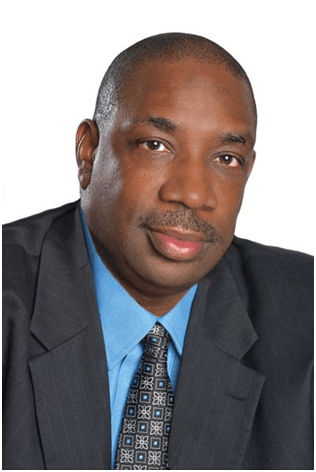
Who is Mark Sanders?
The first time I had heard about Mark Sanders was when, as the executive director of PRO-A, the statewide RCO of PA, I was preparing for Black History month in 2013. I wanted to highlight the history of recovery within African American communities in our quarterly recovery newsletter. I quickly found his Online Museum of African American Addictions, Treatment and Recovery. It is easily the most comprehensive history of African American recovery and the contributions of African Americans to recovery efforts ever compiled. It is an invaluable resource for scholars and practitioners and without Mark Sanders, much of this history would be lost forever. He has contributed so very much to what we know in ways that will benefit us for generations to come.
Mark Sanders is a licensed clinical social worker and a person in long term recovery for the last 43 years. He lives in Chicago and as an international speaker, trainer, and consultant he has reach thousands of people across the United States, Europe, Canada, Caribbean, and British Islands. He co-founded the Serenity Academy of Chicago, the first recovery high school in Illinois and was the past president of the board of the Illinois Chapter of NAADAC. He has taught at the University of Chicago, Illinois State University, Illinois School of Professional Psychology, and Loyola University of Chicago, School of Social Work.
As a writer, he has authored several books including Slipping through the Cracks: Intervention Strategies for Clients Multiple Addictions and Disorders (2011) and Substance Use Disorders in African American Communities: Prevention, Treatment, and Recovery (2013) and has had stories published in the New York Times bestselling book series Chicken Soup for the Soul. He is the recipient of the Lifetime Achievement Award from the Illinois Addiction Counselor Certification Board and the Barbara Bacon Award for outstanding contributions to the Social Work profession as a Loyola University of Chicago Alumni. In 2021 he was honored by the Community Behavioral Healthcare Association of Illinois, Frank Anselmo Lifetime Achievement Award.
Mark, what are your thoughts on the opportunities to expand recovery research in respect to pathways and styles of recovery across diverse communities?
Let’s start with some basics. It matters a great deal what questions we ask, and also how those questions are developed. When doing research in diverse communities, if we ask the wrong questions the findings may be irrelevant. To assure relevance it might be helpful whenever possible to include researchers or research assistants indigenous to the community involved in formulating research questions, interviewing participants, interpreting research results and recommending clinical approaches based in the findings.
There is a basic assumption that clinical models not developed within communities of color are automatically ineffective with members of diverse communities. At a seminar on culturally responsive therapy, Dr. Carl Bell, the prodigious author and American professor of psychiatry at the University of Illinois at Chicago, was asked if the work of Sigmond Freud on psychoanalysis was culturally relevant to African American communities. Dr Bell reflected on the question and responded by saying, “In the hands of a culturally responsive therapist, any model has the potential to be culturally responsive. Especially when integrated with the needs of the cultural group in mind. I am also reminded of when a young Gladys Knight first performed in Las Vegas, and she met with the legendary Sammy Daivs Jr and asked him how she should sing the songs she was set to perform. He told her she would be magnificent, and to make every song she sang her own, to sing those songs in her own way.
This is a vital concept in consideration of how we apply or consider any interventional or evidence-based treatment in African American communities, in Latino / Hispanic Communities or in First Nation or Native American Communities. It gets to the heart of that paper and keynote speech that he asked you to present at the opening of the NIDA Consortium on Addiction Recovery Science conference last year, Frontiers of Recovery Research which emphasizes coproduction and authentic collaboration with the community. If heeded by our field, it would positively shape research on addiction recovery over the course of the next generation and beyond it to successive generations to come. We should do so. Bill White calls for coproduction of research and interventional strategies with the recovery community across those 12 domains of the Definition & Measurement of Recovery, the Neurobiology of Long-Term Recovery, Incidents and Prevalence of Recovery, Resolution and Recovery Across the Severity Spectrum, Pathways and Styles of Recovery Across Diverse Geographical / Cultural / Religious Contexts and Clinical Subpopulations, Recovery Across the Lifecycle, Stages of Recovery, Social Transmission of Recovery, Family Recovery, Recovery Management & Recovery Oriented Systems of Care, New Recovery Support Institutions, Service Roles and Recovery Cultural Production and Flourishing / Thriving in Recovery. This paper is a blueprint for how we should proceed moving forward. The coproduction facet is vital, and just as Dr Bell noted about Dr Freud’s work and what Sammy Davis Jr said to Gladys Knight years ago in Las Vegas, to be effective efforts require us to expand the coproduction and representation of our communities in a myriad of ways across all of our diverse communities.
There are several evidence-based practices which can be utilized in culturally responsive manners. One such approach is Feedback Informed Treatment (FIT) pioneered by Scott Miller. Miller and his colleagues. They created a session rating scale, a tool used to receive immediate feedback from clients at the end of each session. These studies reveal that incorporating client feedback increases retention and outcomes. It can be adapted to include questions centered around cultural feedback from clients, such as:
- Does your family or culture have a perspective on heavy substance use or addiction?
- From your cultural perspective, how is addiction defined?
- From your cultural perspective how are individuals with addiction viewed?
- From your family or cultural perspective what causes addiction?
- From your cultural perspective, how is addiction addressed?
- Does your family or members of your cultural group have a perspective on counseling?
- In our session today, what worked?
- What didn’t work?
- If we continued to work together what are some things you would like to occur in future sessions in order to feel the meetings are worthwhile?
- What would make you feel more comfortable when discussing difficult subjects?
- Who do members of your family or cultural group turn to during difficult times?
- Should these individuals be included in future sessions?
- From your cultural perspective, are drug related problems considered individual, family or community problems?
- Based upon your perspective of family, who should be invited to future sessions?
- Is there a role for religion or cultural practices in addressing drug use challenges?
- Is there anything else about your culture that is important for me to know in order to be most helpful?
- I have asked you many questions, do you have any questions to ask me?
The above questions illustrate that it is possible to incorporate cultural feedback from clients in SUD counseling. I am reminded of a psychiatrist working with an African American client who was experiencing schizophrenia and alcoholism. He asked some of the questions above and learned that in the client’s faith-based community, there was a belief that the causation of addiction and mental illness was demon spirits, and the resolution involved prayer with the laying on of hands. Empathy was established and rapport created as the psychiatrist and client listened to and received feedback from each other. Ultimately the treatment plan included medication, counseling, case management and participation in Alcoholics Anonymous along with client church attendance where he received prayer and the laying on of hands. The lesson here is that if we want evidence-based approaches to work, it can be helpful to receive and incorporate culturally responsive feedback into the approach.
Another evidence-based practice that lends itself to cultural responsiveness is Motivational Interviewing. It can be utilized in ways that are effective in working with African American communities, Latino / Hispanic Communities, First Nation or Native American Communities and beyond. Motivational interview calls for counselors to stay with clients where they are at. The approach allows the client to lead as the counselor walks along side of the client in the change process and when resistance occurs the client is likely to be told by the clinician, “it’s up to you.” This client centered approach can be empowering for clients of color who have often experienced generational systemic oppression and racism where their voice and will were taken away. Heavy handed strategies and strategies which make the counselor the expert on the clients life will often be met with much resistance. One must stay inquisitive and open to possibilities and to explore doors of healing collaboratively and from the client’s perspective. There is a book, Motivational Interviewing for African Americans A Culturally Responsive Guide for Practitioners that can be really helpful in considering how to use motivational interviewing in the spirit of what Samy Davis Jr told Gladys Knight years ago. The key is to utilize the practice in a way that it is relevant and resonates with members of these communities. When clinicians are culturally responsive, they make the approach their own in order to meet the needs of clients. Future research should focus on the outcomes of integrating culturally responsive evidence-based practices.
What else can we learn about what works to support engagement in addiction treatment and recovery efforts?
My colleagues and I have experienced success in integrating Contingency Management with culturally responsive counseling. Contingency Management is listed in the SAMHSA registry of evidence based practices and involves offering rewards to clients for achieving their goals. The approach became popular in the 1990’s in the heights of the crack cocaine crisis where redeemable vouchers were used to reinforce counseling attendance and negative drug screens etc. During this era a colleague led a men’s group consisting of African American men who were all quadruple challenged. They were all HIV positive (before the drug cocktail for HIV was developed and death rates were rampant). In addition, all of the clients had mental illness, a substance use disorder and economic poverty. Weekly group attendance was approximately 10%. Desperate for better outcomes this colleague attended seminars on contingency management and learned about the fishbowl technique. A fishbowl was placed in the group room containing 250 raffle tickets. For attending group participants were allowed to draw a raffle ticket from the fishbowl as an incentive for attending the group. Group attendance soared from 10% to 90%.
Of the 250 raffle tickets, 125 simply offered the person picking it out of the bowl validation for returning and participating in the group. The thing is everyone then clapped for them. They were so beaten down by life and the stigma of HIV, poverty, discrimination, stigma of addiction and mental illness and everything else that there was no other place they got any recognition. That simple validation was a powerful reinforcement for continued attendance. Many reported not receiving a round of applause in years. This was a celebration of their efforts in the here and now. Fifty of the raffle tickets were labeled as small prizes with a value of around $5 with items such as gloves, hats, winter scarfs, coffee shop coupons etc. Fifty of the tickets had medium-sized prizes valued at $10. Twenty-four of the tickets were of large value at $20, and there was a grand prize of a flat screen TV. In order for incentives (prizes) to be reinforcing immediate access is important. All of the prizes were visibly placed on the table in the group room and members could take them home or use them immediately after the group. All of the prizes were donated so it was not prohibitive from a cost perspective. Keeping these men engaged saved a lot of money in respect to reducing the transmission of HIV, the work of the public health nurses in the group to address their medical needs and their was a curriculum used to address co-occurring disorders (mental health and addiction issues). The return on investment was immense. This is similar to what Rosen et al wrote about in Improved Adherence with Contingency Management. AIDS Patient Care and STDs.
A similar strategy was used to engage African American and Hispanic youth who were gang affiliated and on probation in Chicago. As a part of probation these youth were required to attend group therapy for substance use disorder. Resistance was extremely high until the facilitator introduced the fishbowl technique. The science of contingency management reveals that in order for an incentive to be reinforced, feedback from the target population is helpful. These youth of color were asked, “what prizes would mean the most to them for group attendance?” They were told that “fresh gear” was seen as valuable, caps and sweatshirts with the Chicago Bears, Bulls, Cubs, White Sox logos or the Yankees hats or Nike sneakers were what they wanted. A similar fishbowl was set up. We learned that the most valued prizes (incentives) were $5 gift cards to the department store Target and the 711 convenient store, both of which were located across the street from the center where the group was held. Introduction of the fishbowl nearly totally eliminated resistance to attend the group because the youth were excited to show up in order to win prizes. They could redeem their prize immediately! The group facilitators also wanted to emphasize punctuality. Members were told the first person to get to group got to draw twice from the fishbowl. These teens started showing up an hour early to be the first one in the room.
Attendance was nearly 100% and again, it was all donated stuff. Reincarceration for these youth cost the government 90K annually for each youth and these donated gifts in a fishbowl using contingency management strategies kept these teens out of prison and gave them a chance at life. The key was asking them what they wanted, making all of the prizes visible so they could see them and have the opportunity for an immediate payoff.
Contingency management was instrumental in increasing group attendance, once in group we utilized The Cannabis Youth Study curriculum to help them address their substance use challenges. This evidence-based curriculum has been studied extensively by Dr. Michael Dennis who was a contemporary of Bill White at Chestnut Health. He and his colleagues studied effective strategies to address cannabis use in youth and found these kinds of interventions with high participant retention and reliable measurement was entirely achievable with these kinds of groups that have long been considered challenging. Again, the key is to use the evidence base in ways that resonate with the community. As Sammy Davis said, take the song and make it your own! We simply utilized motivational incentives to get them in the door, eliminate resistance and keep them in the group. The curriculum helped them decrease their substance use and avoid rearrest and detention. Ninety percent of the youth attending the group either decreased their drug use or were abstinent trough out the entire time they were in the program.
How do we use the literature to support culturally informed evidence-based practice in diverse communities?
From what I have learned as a student and educator with four decades working in the field there are five questions we should ask about each evidence-based practice:
- Who did the research?
- Where was it done?
- Has the study focus been effective with a range of populations?
- Have the authors been intentional about culture relevance in the design?
- Is it possible to integrate what we learn from the study in culturally responsive ways?
To consider these questions, I am reminded of studies on gambling by Henry Lesieur, the creator/co-author of the South Oaks Gambling Screen. The studies reported almost no gambling problems in African American communities. The research was done in suburban white, gamblers anonymous meetings. He simply could not find this result as he was not looking in the right places or asking the right questions. I know from my immediate family and social networks that this is not true, I see gambling prevalent in my family and community. Problem gambling research focused on white communities have largely found that men gamble for the thrill and problem gambling women do so to escape. This also does not align with the evidence I see, which is that people in my community are gambling because they need the money. Motivation to gamble should be considered in treatment planning and I learned that people who gambling seeking a thrill or to escape may require a different treatment approach than people who gamble because they need the money. We should also consider with any research if the researchers were hired to find a particular outcome. These five questions can help steer us in the direction of informing future research designs and the use of the associated evidence base in culturally responsive and co-productive ways.
What does it mean to define recovery from the lens of the community?
One of the most visible examples of how a definition of recovery can be very different when culture is considered. There is the SAMHSA definition of recovery, “a process of change through which individuals improve their health and wellness, live a self-directed life, and strive to reach their full potential.” We polled African Americans in long term recovery who viewed recovery differently in African American communities. A group of seasoned African American professions with support from other African Americans in long term recovery, defined recovery from an African American perspective. We developed a culturally relevant definition that emphasizes community over the individual. Here is the definition. African American Recovery is restorative, holistic, and preventive; it includes physical, mental, social, and spiritual growth. Recovery embraces values and traditions of African American culture, and it’s communal and interconnected with our people. Recovery involves participating in family, neighborhood, community, and individualized healing that contributes to sustained health and wellness. The full definition and associated 12 Principles of Recovery for African Americans can be found here.
I am also reminded of how there is this fallacy that AA does not work with African American communities. I think we spoke about this in our interview a few years ago Reflections in the New Recovery Advocacy Movement. I told you about how in the 1940s in Cleavland Ohio an African American went to the Akron area for help shortly after AA was formed. Because of segregation, she was not allowed to participate in the meetings, but they gave her a copy of the 12 steps. She went home to Cleveland and the Cleveland Friends Clubs. These clubs became gathering places for African Americans in recovery. They held AA fish fries, AA BBQs, and AA poker nights where people gathered and supported each other into and to sustain recovery. I have met and spoken to people who were around in that era, and they told me that in that era before they understood the 12 steps, recovery was about 90% fellowship and 10% based on the 12 steps. There is also the Evans Avenue Club AA meeting in Chicago that has been meeting for over 65 years. While someone may initiate recovery in a 12-step mutual aid environment, they may move over time to faith based or some other orientation, which is why we need to more fully understand recovery pathways longitudinally across a myriad of communities.
Do you have any thoughts on culturally relevant recovery in First Nation / Native American Communities?
Perhaps one of the greatest stories never told of the story of how the community of Esk’etemc (Alkali Lake) overcame crippling rates of alcoholism and started on a journey of community grounded sobriety. Recovery was virtually nonexistent in this community while addiction was visible everywhere. There is an associated movie, Honour of All – Healing Journey available on YouTube. Their community was being ravaged by addiction. In the tradition of honoring culture in recovery efforts in First Nation / Native American communities and the life work of Don Coyhis and the Wellbriety movement, there was a need to center healing within the culture for efforts to be effective.
A husband and wife got into recovery, and it began to quietly spread. In Alkali Lake, they hold as a core belief that their actions influence the future across 7 generations. This became central to how recovery was seen as a community affirming process. As a community medicine man and village chief began to include support for recovery with information on how alcohol was harming the whole community in community teachings. The culture of recovery resonated in ways that connected the community to its own heritage and for the people of Esket commitment to the generations who will come after them. In this community now, recovery is highly visible and if a member of the community goes away to treatment, everyone pitches in to repaint their house, get new furniture and to transform their physical space as part of the communal effort of healing together. The Ubuntu principle of “I am because we are.” What can we learn from this example? I see similar emphasis on the group in African American communities. We can get the youth oriented on helping the community as a pathway to meaning and mattering to themselves and the rest of the community.
Why should we consider coproduction of research in the context of culturally relevant services?
This is such an important question. I recall a situation in which they rehoused families with substance use disorders among one or both parents from the Chicago housing projects into white suburban communities. What they found is that a lot of these kids simply returned to the projects. They were accustomed to the loud environment of these towers. The white suburbs were quiet and boring, so they returned to the environments they were accustomed to. The only way to have known this was to ask them. You would be surprised at how rarely that is done, in this case we know because they were asked. It helped focus strategies that would be more effective.
There is also the example of efforts to improve addiction treatment engagement for African American pregnant or post-partum women living in New Orleans. At the time less than 15% of women receiving help for addiction were African American during a time when nearly 70% of the residents in the city were African American. Interventionists did the most radical thing; they held focus groups with the women in recovery to find out what the barriers African American women faced in entering and completing treatment. Their input shaped the entire program. Focus group data revealed: most of the women in the community could not afford to get to treatment. They did not have money, health insurance, were in low paying jobs and feared homelessness if they went to treatment. Some women didn’t have bus fare to get to treatment. In focus groups they also spoke about deep distrust of the system and their fear that by showing up they would lose custody of their children in the child welfare system. Focus group members unanimously felt that addiction among black women was stigmatized, penalized and criminalized.
A related story from NOLA happened in the aftermath of Hurricane Katrina in 2005. First and foremost, the authorities and the media labeled these impoverished community members as refugees instead of citizens. They were dispersed across the nation and disconnected from their community. Some returned over the years. They found the wards that they had lived in were now mainly white communities. The housing prices had increased. They could no longer afford to live in their neighborhoods of origin and had to move farther out and face higher costs to commute to work, for their healthcare and everything else. According to the women who participated in the focus groups, this kind of oppression plays out over the long term has led to profound distrust and community level moral wounding. To fix this, we must change what we do and how we do it. We must include community insiders and do things in ways that are co-productive that resonate with these communities and not tear them apart.
If we did so, we could have a radically different system of care that partners with and is integrative of internal resources and inherent talents of people within these communities. I consider the work of William White and what we can learn from his research. I think of what David Best is doing with Inclusive Recovery Cities and how it applies to communities of color. I think about groups like the Chicago Recovering Communities Coalition, the Detroit Recovery Project or the Association of Persons Affected by Addiction in Dallas. We can take what we are learning about expanding recovery capital in these communities and use community inclusive models to increase our understanding of how to instill hope in communities that have been mired in despair. One of the lessons we can use to develop what we need to have in place for the next generation is to understand how we see recovery in the context of community across generations. To embrace how people can support change within their own communities. That is a huge part of what Bill White was reflecting on in his Frontiers of Recovery Research paper in respect to the importance of coproduction of efforts. Changing culture and restoring community is an inside job. People heal in community. People are the experts on their own communities.
I consider Jennifer Smith, MD of Illinois and her effort at Cook County Hospital, long a hospital known for working with the impoverished inner-city community. She used patient reported outcome measures and interviews with patients to get them and to keep them engaged in medical care, even for conditions associated with their substance use that they were not even aware that they had, it shows us once again how engaging people in their own care is a highly effective strategy. We need to do more of it. We need to consider these kinds of examples and foster partnerships that strengthen recovery community capital in culturally integrative ways. Each community needs to make the song their own.
What are your thoughts on the use of menus of recovery pathways as we look to the future
There are a lot of opportunities to learn about what works for whom in which communities under what conditions and at the stage of recovery that they are at. In Recovery Rising, William White wrote about what cancer taught him about addiction treatment. When the cancer diagnosis is arrived at, patients are presented with treatment options and combinations and what we know about their efficacy. Can we imagine what this might look like for the future of addiction recovery? I am not just talking about options for acute care but for long term recovery. One of the ways we can increase our knowledge base in this area is through the longitudinal examination of recovery journeys over the course of decades similar to what the Grant Study out of Harvard that started in the 1930s. But one not focused on white male college graduates but rather the recovery journeys of from people across all communities in the US.
We may find that different people have different pathways that resonate with them. Joe Powell in his work in Texas found that a lot of people in that community started recovery with AA mutual aid and over time ended up in faith-based communities. History shows us that Frederick Douglass the first African American in US history who was open about his recovery had a pathway centered on advocacy. His work aa a social reformer, abolitionist, orator, writer, and statesman was integral to his recovery. He saw that recovery from alcoholism was about positively changing conditions for his community across the generations. Macolm X also had a parallel pathway. We should study all of the pathways, we see yoga and mindfulness and eastern philosophy informing recovery pathways, but to be helpful we need to explore that lesson from cancer treatment and develop menus of treatment and support for people to consider, not just simply tell them to find whatever works for them, but to use research to inform these options within a community lens.
We need to value recovery in the context of community and not solely or even primarily from the lens of the individual. Recovery needs to be visible in places where all one has seen prior to that is addiction. Like having Association of Persons Affected by Addiction in Dallas, right on Martin Luther King Jr Blvd. or the Detroit Recovery Project as beacons of hope for a community. Philadelphia has been an example of how recovery can be elevated in the community by advertising recovery on billboards or honoring recovery with murals. I think about the example of the late reverend Cecil Williams, who when he was organizing for change did not just do marches in front of city hall, he led groups through the impacted communities with a mega phone to engage the people to be a part of the solution. It is also how author John McKnight emphasized that for effective change, communities must be authentically engaged in their own solutions.
What can we learn from our historical mistakes?
This is something I have thought about as a person in recovery for 43 years. I have been in this field for nearly all of that time. I recall an instance very early on when I was working in a detox that used cold turkey approaches. I had my bachelor’s degree in social work and was schooled on patient centered approaches. One night I was trying to support a woman in severe withdrawal, and she was really struggling. One of the last things she said to me is that my words were not helping her. The next morning when I came into work, I learned that she had died. She needed meds for withdrawal, and she did not get them, and she died. My words had not been what she needed. I had to meet with her daughter and tell her that her mom was gone. It is an example of what we do not being a match for what people need. Another one is that I recall after Vietnam, a lot of vets came home addicted to heroin. Every community has their drug lore, in the African American community some of that lore holds that methadone is a killer. The reason was that in a large part is that in that era. they put people on low doses of methadone, so these men continued to use heroin on top of their methadone and then they died. They needed higher doses of methadone. We have made progress with a more informed narrative, but we have a long way to go.
I also think about a research effort on the west side of Chicago that found that older African American men were dying of overdoses at higher rates than other groups. I made some initial assumptions about why this was the case, and I was wrong. These wrong assumptions could have led to totally ineffective interventions. I am really glad I had the presence of mind to go ask the community members about what was happening on the street. You see, in this community that has seen the spread of HIV and AIDS in the 80s and 90s with their own eyes. They were afraid of needles. They were snorting the drugs, and what they were using was laced fentanyl. It helped us to understand interventional strategies that included fentanyl test strips.
Do you have any thoughts on trauma informed care and how it may influence what we do in the future?
There have been tremendous strides in respect to trauma informed care over the last twenty years. People like Bessel van der Kolk and Gabor Maté have helped us understand trauma in the context of PTSD that can come from isolated events as well as the cumulative impact of these events on functioning. What we see in some African American communities is more like 24/7/365 trauma that comes from endemic gun violence. Everyone all the time walking around wondering if this is the day that they get killed. It can lead to a fatalistic view on life. Why not use drugs if tomorrow I may die? Why bother with school or reporting into my probation officer? We need to not only understand these dynamics but leverage these very same communities to change things for the next generation. I have seen it work. If a person has a positive purpose that supports what happens in their communities intergenerationally they can and do move mountains. There are also cultural elements here, how do we engage young people to share hope and resiliency through song and dance? In First Nation / Native American communities, young people put on plays and employ storytelling to share the message of hope and resiliency. Quite literally singing, dancing and celebrating their own recovery tune. We should stop and consider that storytelling and shared narratives have probably been at the core of how humans cope with and overcome challenges for thousands of years.
Ending thoughts
I suspect that the vast majority of those of us who stay dedicated to this work over the course of our lives do so because of two things. The impact of addiction on our own lives and the lives of loved ones, and the knowledge that all of these lives are valuable and that we are all parts of a greater whole. We do this work to pay it forward. We do so to develop better outcomes for those who come after us. We need to ask what we want to leave as a legacy for the next generation. This is the frontier we are on that Bill White spoke about in his paper and the wisdom that Sammy Davis Jr shared with Gladys Knight to make every song her own. This is what is at the very heart of recovery. We must include community in culturally relevant and integrative ways as co-producers of a better future. To realize the resiliency in our communities we must authentically include them in their own healing. This is a truth known in First Nation and Native American communities, in African American communities, in Latino and Hispanic communities, in all communities. It is the wisdom that Sammy Davis Jr shared with Gladys Knight.
Could there be a more valuable legacy for us to leave for those who come after us?
Sources
Black Faces Black Voices (no date). African American Recovery and Recovery Principles African American Recovery defined – NAADAC. https://www.naadac.org/assets/2416/recovery_leaders_panel_handout_1.pdf
Chien P. A Tribute to Carl C. Bell, MD. Community Ment Health J. 2021 May;57(4):607-608. doi: 10.1007/s10597-021-00794-w. Epub 2021 Feb 8. PMID: 33555416; PMCID: PMC7869417. https://pmc.ncbi.nlm.nih.gov/articles/PMC7869417/
Dennis M, Titus JC, Diamond G, Donaldson J, Godley SH, Tims FM, Webb C, Kaminer Y, Babor T, Roebuck MC, Godley MD, Hamilton N, Liddle H, Scott CK; C. Y. T. Steering Committee. The Cannabis Youth Treatment (CYT) experiment: rationale, study design and analysis plans. Addiction. 2002 Dec;97 Suppl 1:16-34. doi: 10.1046/j.1360-0443.97.s01.2.x. PMID: 12460126. https://pubmed.ncbi.nlm.nih.gov/12460126/
Esk’etemc. (2019, November 15). Honour of All – Healing Journey – Episode 1. YouTube. https://www.youtube.com/watch?v=u6LscwlZqec
Ginlack, K. (2025, June 29). Motivational Interviewing for African Americans A Culturally Responsive Guide for Practitioners. https://doi.org/10.5281/zenodo.15767521
Mineo, L. (2017, April 11). Good genes are nice, but joy is better. Harvard Gazette; Harvard University. https://news.harvard.edu/gazette/story/2017/04/over-nearly-80-years-harvard-study-has-been-showing-how-to-live-a-healthy-and-happy-life/
Quirk, K., Miller, S., Duncan, B., & Owen, J. (2003). Group Session Rating Scale: Preliminary psychometrics in substance abuse group interventions. Counselling and Psychotherapy Research, 13(3), 194–200. https://doi.org/10.1080/14733145.2012.744425
Rosen, M. I., Dieckhaus, K., McMahon, T. J., Valdes, B., Petry, N. M., Cramer, J., & Rounsaville, B. (2007). Improved Adherence with Contingency Management. AIDS Patient Care and STDs, 21(1), 30–40. https://doi.org/10.1089/apc.2006.0028
Sanders, M. (no date). Online Museum of African American Addictions, Treatment and Recovery. Online Museum of African American Addictions, Treatment and Recovery. https://www.museumofafricanamericanaddictionsrecovery.org/
Sandomir, R. (2024, April 26). Cecil Williams, Whose San Francisco Church Became a Haven, Dies at 94. The New York Times. https://www.nytimes.com/2024/04/26/us/cecil-williams-dead.html
SAMHSA. (2012). SAMHSA’s Working Definition of Recovery. https://library.samhsa.gov/sites/default/files/pep12-recdef.pdf
Stauffer, W. (2021, December 18). Reflections in the New Recovery Advocacy Movement – An Interview with Mark Sanders On the Development of African American Recovery Communities. Recovery Review. https://recoveryreview.blog/2021/12/18/reflections-in-the-new-recovery-advocacy-movement-an-interview-with-mark-sanders-on-the-development-of-african-american-recovery-communities/
Wellbriety Movement. (n.d.). Wellbriety Movement. https://wellbrietymovement.com/
White, W., Sanders, M. & Sanders, T. (2006). Addiction in the African American Community: The Recovery Legacies of Frederick Douglass and Malcolm X. Counselor, 7(5), 53-58. https://deriu82xba14l.cloudfront.net/file/68/2006-Frederick-Douglass-Malcolm-X-Recovery-Legacies.pdf
White, W. (2019). Chestnut Health Systems. Recovery Rising Excerpt: What Cancer Taught Me about Addiction Treatment. Chestnut Health Systems. https://chestnut.org/li/william-white-library/blogs/article/2019/08/recovery-rising-excerpt-what-cancer-taught-me-about-addiction-treatment
White, W. (2024). Frontiers of Recovery Research. Keynote Address, Consortium on Addiction Recovery Science, NIDA, April 24-25, 2024. https://deriu82xba14l.cloudfront.net/file/2471/2024%20Frontiers%20of%20Recovery%20Research.pdf

 Recovery Review
Great interview. He has kind eyes and you can still see the passion for others in his expression. This was really well written and thought provoking.
LikeLike