

Recovery Review does not edit contributor posts. Each contributor speaks for themselves only. Contributors were selected for their well-established recovery-orientation.
We welcome disagreement and criticism of policies, treatments, research, models, philosophies, and approaches, but we all agree to do so in ways that do not blame people with addiction for the shortcomings of policies, treatments, or helpers.
Justin Bell, PhD
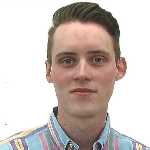
Justin is a psychologist and a person in recovery. His research work focuses on the peer recovery support workforce and creating better working conditions for people with lived experience. Justin has led studies on the challenges peers face on the job, from burnout to role clarity, and was the lead evaluator on the first low-barrier recovery housing program in Chicago. Beyond academia, Justin works directly with organizations that support or employ peers through speaking engagements and workshops.
Austin McNeill Brown, LMSW
Recovery Scientist
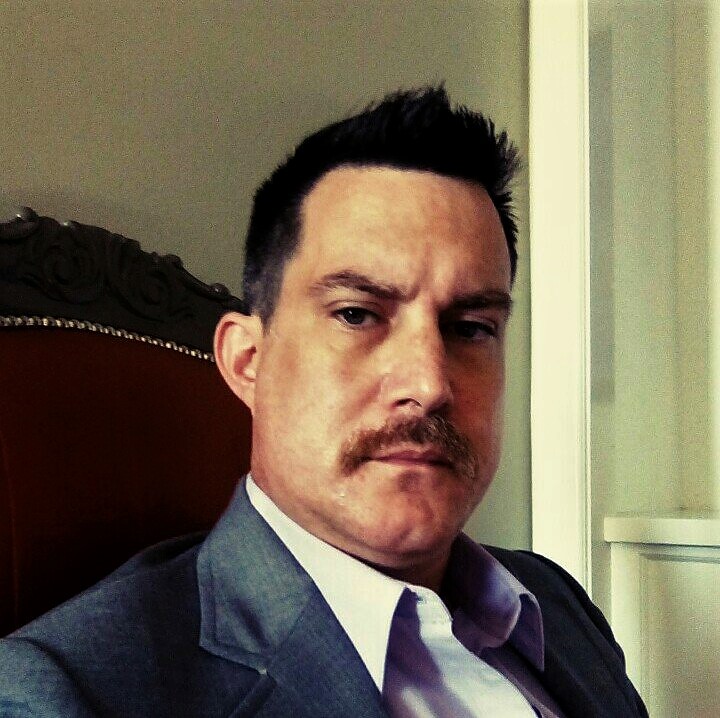
Austin is the former Associate Director for Research and Programming at the Center for Young Adult Addiction and Recovery at Kennesaw State University in Atlanta Georgia. Mr. Brown holds a bachelor’s degree in Psychology with a focus in Addiction Studies from Texas Tech University. Austin also holds master’s degree in Social Work from the University of Vermont in Burlington. He is the co-founder of the Recovery Science Research Collaborative, dedicated to bringing together the best and brightest researchers from across the country to build out the science of recovery. Mr. Brown has coauthored numerous journal articles on various recovery support services, recovery definitions, and recovery theory. Austin’s focus has been in developing recovery science, as a separate field of social science that is interrelated but distinct form addiction science. Currently, he is a PhD student in the Social Science program at the Maxwell School for Citizenship and Public Affairs at Syracuse University, where he also serves as a research affiliate for the Lerner Center for Public Health Promotion.
Austin’s interest are in the ways and means in which people recover from addiction. More broadly, he is interested in the fundamental aspects of transcendent change that seem embedded with recovery phenomena. His theoretical background is vast, spanning from experimental existential psychology, to critical theory, and modern philosophies of power. Austin is interested in social subjugation, human emancipation, and the psychosocial aspects of human change.
Austin’s past careers are also quite vast, before returning to school he taught abroad, worked as a rural medic, served as a tank crewman in the US Army, and worked numerous odd jobs and manual labor. His interests in psychology began as a direct care attendant on the floor of a small crisis stabilization unit in Texas. From there he entered into his undergraduate in his mid-thirties. Coinciding with his interest in scholarship, was the beginning of his own personal recovery journey. Now, ten years later, Austin has applied his vast personal and interdisciplinary knowledge to understanding and fostering of radical forms of human transcendence over manifestations of psychosocial bondage.
Brian Coon
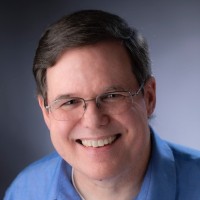
Brian has been working full time in residential addiction treatment programs starting with his graduate internship in 1988.
Following his internship, his first 19 years were spent serving in a 9-12 month Therapeutic Community program that shared a staff and physical plant with an outpatient methadone maintenance program. Later during those years he also guided a halfway house, intensive outpatient, and aftercare programs serving criminal justice populations. Notably, that organizational workplace was the community agency within which the Behavioral Health Recovery Management (BHRM) project was begun and operated. The BHRM project was the living clinical laboratory where the principles and practices of recovery orientation for clinical services, recovery coaching, and approaches that later came to be known as “Recovery-Oriented Systems of Care” were innovated and developed. Brian served on the BHRM implementation steering committee of that organization for the entire 10 year lifespan of the BHRM project.
Since 2008 he has worked in a freestanding multidisciplinary program that includes specialized services for public safety sensitive professionals.
Brian holds a BS in psychology and MA in community-clinical psychology. He is a licensed clinical addiction specialist, certified clinical supervisor, and nationally credentialed as a master addiction counselor. His academic and clinical background is in the scientist-practitioner model, cognitive-behavioral psychology, and evidence-based treatment of co-occurring substance use and mental health disorders in adult populations.
He has a strong life-long interest in biology and philosophy. His recent years have been marked by an interest in the analytic tradition/depth psychology, the mentoring of clinical supervision, and the impacts of each upon systems of care, individual clinicians and clinical teams.
Molly Welch Marahar, MPP
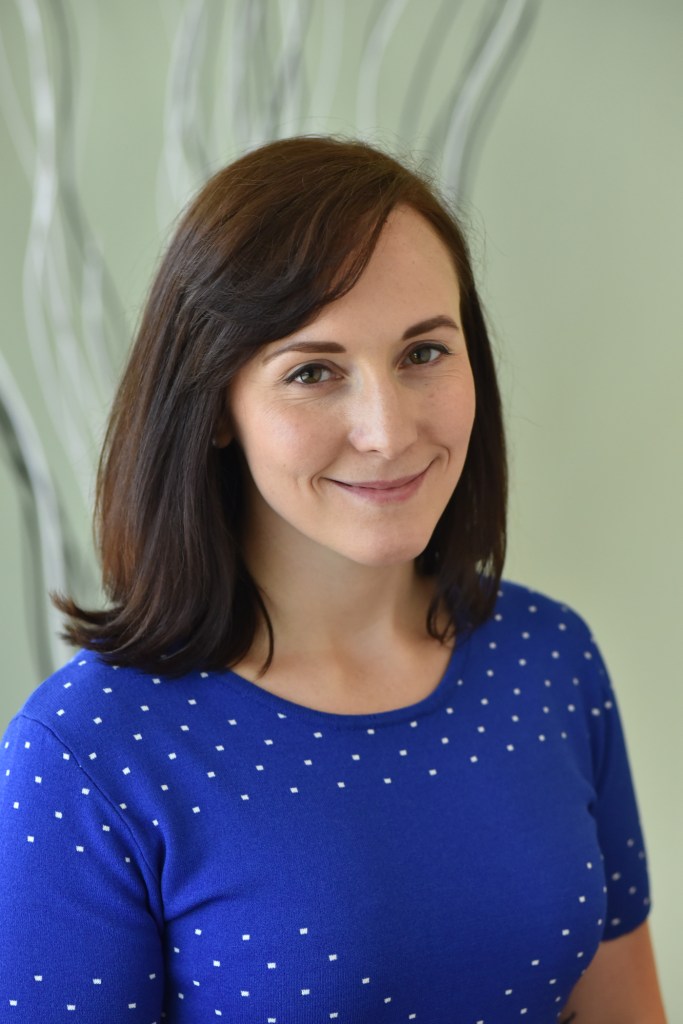
Molly currently works as a senior opioid policy analyst with the Policy and Planning Administration at the Michigan Department of Health and Human Services. Prior to her work with the State of Michigan, Molly worked for the Center for Health and Research Transformation leading projects in behavioral health, publishing briefs on health policy and organizing local community action around opioids. As a person in long term recovery from heroin addiction herself, Molly strives to elevate the voices of lived experience to affect policy change and improve the landscape of resources for people with addiction. Before receiving her Master of Public Policy from the Ford School of Public Policy at the University of Michigan, Molly worked as a Recovery Support Specialist and detox counselor at Dawn Farm, a community substance use treatment center and hub of recovery in Ann Arbor, Michigan.
Dr. David McCartney
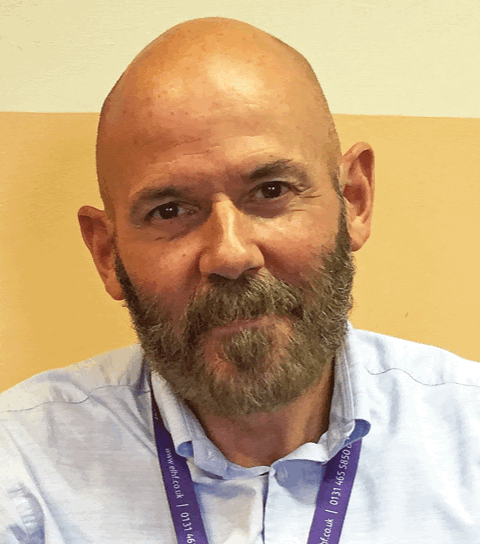
David is an addiction medicine specialist and Clinical Lead at LEAP, a quasi-residential therapeutic community addiction treatment programme in Scotland.
He trained as a family medicine practitioner and spent much of his career in practice in inner-city Glasgow. Having retrained in addictions he now works exclusively in the field and until recently was an advisor to the Scottish Government on drugs policy.
Apart from his commitment to recovery-oriented approaches to treatment, he is interested in the neurobiology of addiction, the value of social networks in recovery, peer-led approaches and the relationship between treatment and recovery communities. He enjoys teaching patients, medical students, postgraduate students and primary care practitioners on these subjects as well as writing about them.
He is a member of the Royal College of General Practitioners
Opinions expressed here don’t necessarily represent the views of David’s employer.
Shane Phillips
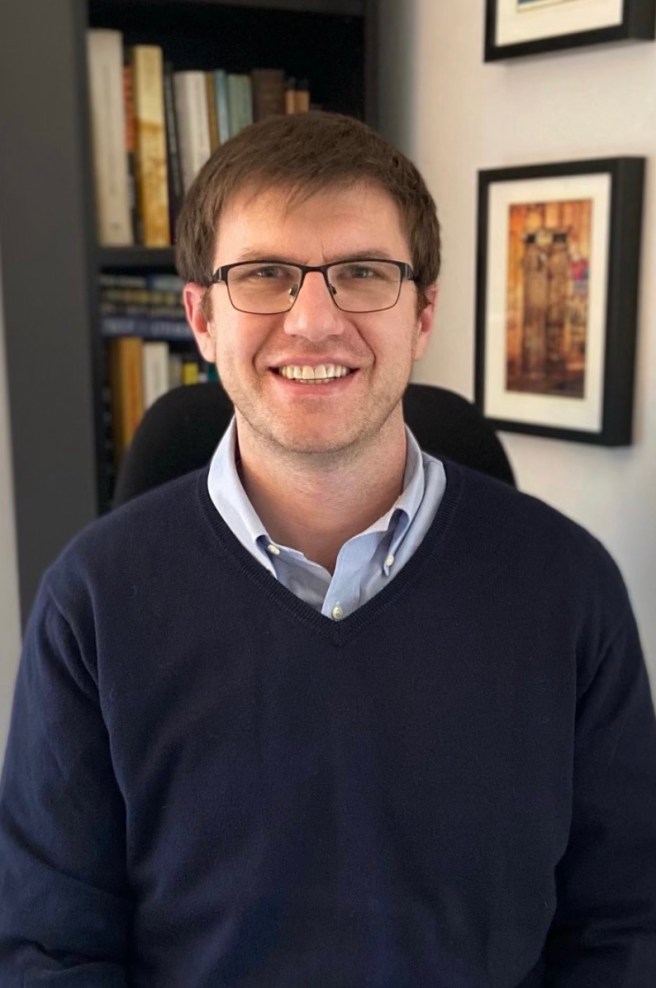
Shane works as a behavioral health clinician providing OBOT services in a large family medicine practice in Asheville, NC. He has worked in a variety of treatment and recovery support settings, mostly serving adolescents and young adults with co-occurring substance use and mental health disorders. In his current role he works in an integrated care setting and provides clinical and case management services to patients with opioid use disorders.
Shane received his MSW from UNC-Chapel Hill and was a member of the collegiate recovery community while a student at UNC. He received a certificate in substance use and addiction studies and is a licensed clinical addictions specialist.
Alexandra Plante

Alexandra Plante is a Senior Advisor on substance use disorder at the National Council for Mental Wellbeing. Alexandra is a recipient of a Fulbright Specialist Award in Substance Use Disorder, leads the National Substance Use Interest Group, and volunteers her time with ME-RAP and MDPC. She has served as a consultant to U.S. federal agencies and state policymakers, international agencies such as the United Nations Office of Drug Control and Crime (UNODC), and private entities such as Google. Her writing has been featured in outlets such as Harvard Health Publications, Scientific American, and Psychology Today. She is currently pursuing her Doctor in Medical Science at Northeastern University and holds an M.A. in Quantitative Research in Communications. Past roles include Director at the Massachusetts General Hospital and Harvard Medical School – Recovery Research Institute and DynamiCare Health.
Jason Schwartz
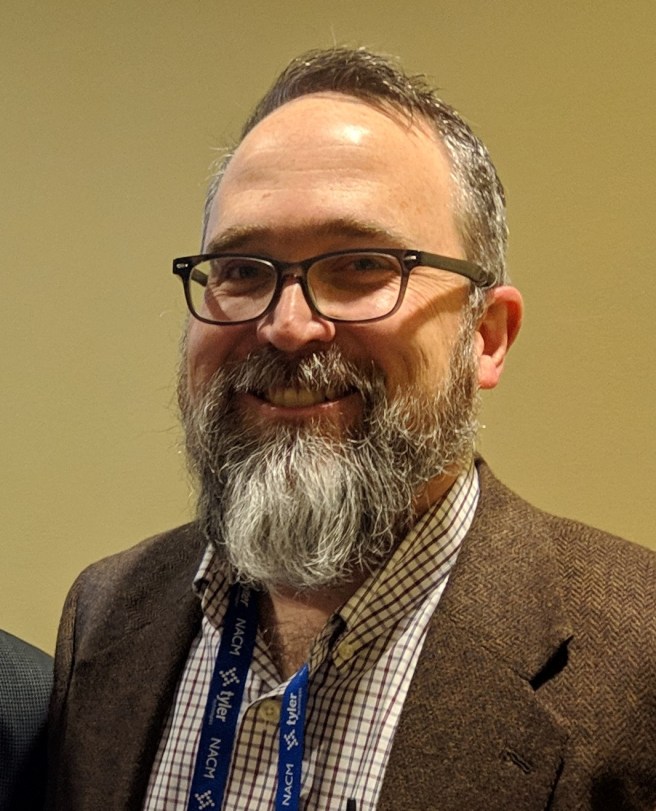
I have been an addiction professional and social worker since 1994. I started blogging in 2005 as the Clinical Director at Dawn Farm. I no longer work at Dawn Farm and currently serve as the Director of Social Work and Spiritual Care for an academic health center, and a lecturer at Eastern Michigan University’s School of Social Work.
Views expressed here are my own. Please keep a couple things in mind:
- I often use this blog as a way to think/work through issues in the field, so posts here don’t always represent a conclusion.
- The field, the contexts in which the field operates, and my views have changed since I began blogging in 2005.
Matt Statman
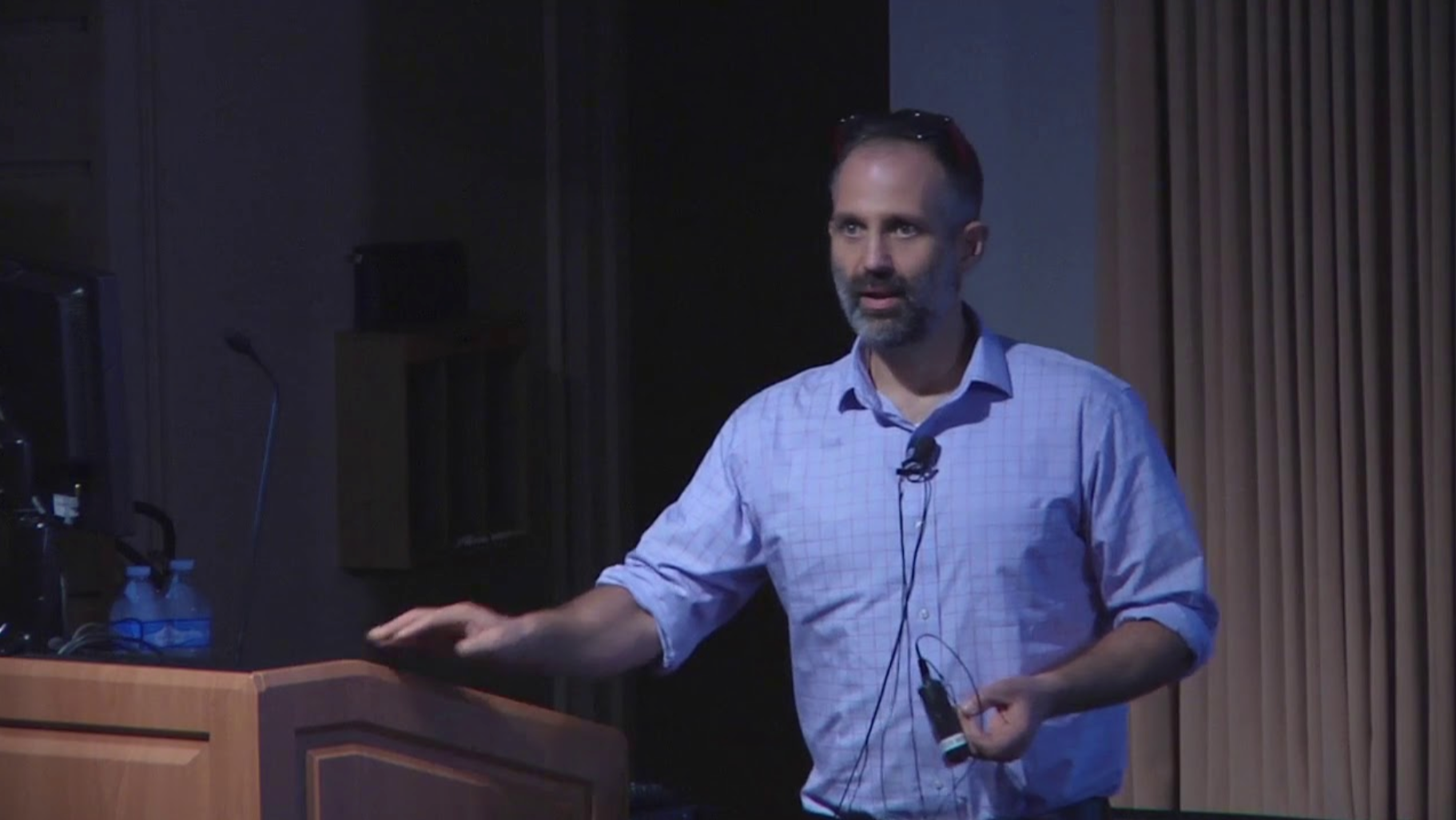
Matthew Statman LMSW, CAADC is Manager of the University of Michigan Collegiate Recovery Program, Adjunct Lecturer at the Eastern Michigan University School of Social Work, private social work practitioner and member of the Motivational Interviewing Network of Trainers. Matt earned his bachelor’s degree in Social Work from Eastern Michigan University and his master’s degree from the University Of Michigan School Of Social Work. Matt is a person in recovery from a substance use disorder who has spent his career helping those with substance use disorders initiate and sustain recovery.
William Stauffer
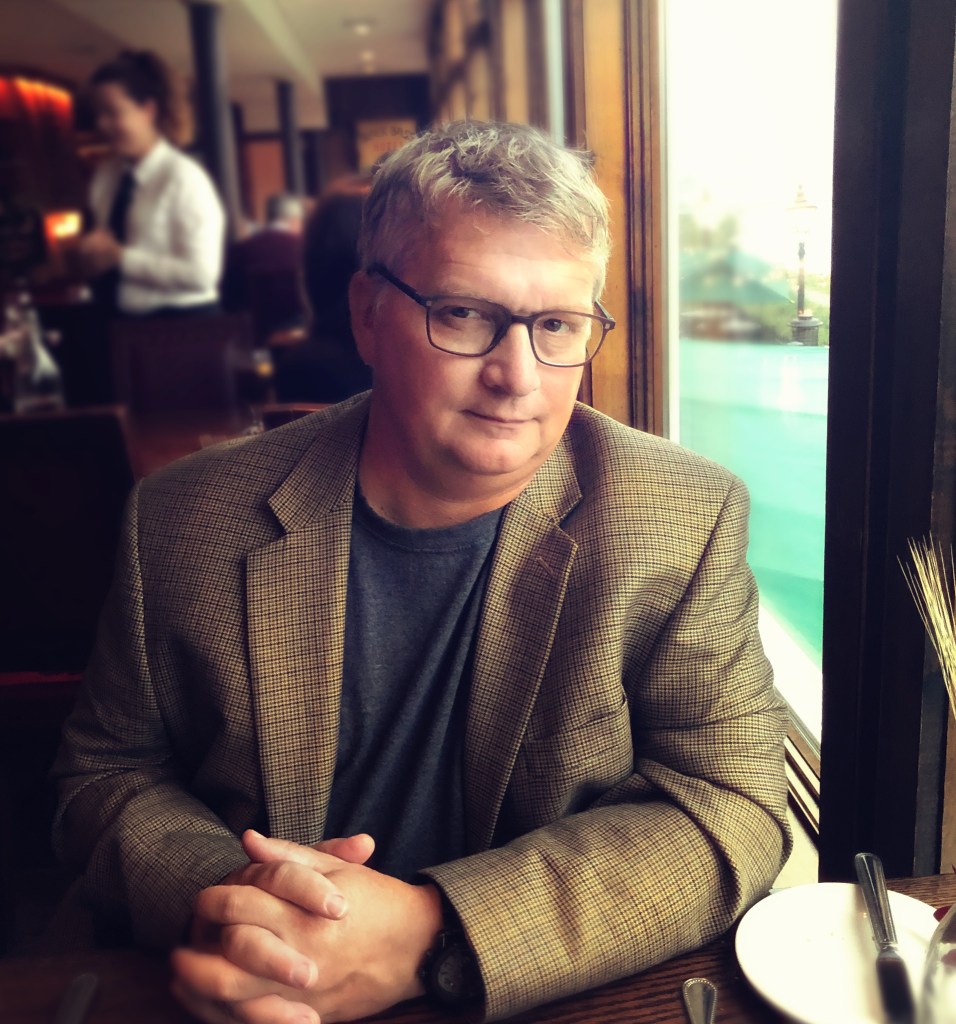
William Stauffer is in long-term recovery with decades of experience in the SUD system. He leads PRO-A, the statewide RCO of Pennsylvania since 1998. He is a nationally recognized writer and trainer. In 2019 he was honored as the Vernon Johnson Award Individual Recovery Advocate award by Faces & Voices of Recovery. He has worked with Dr Sean Fogler of Elevyst to complete two of the largest surveys of Stigma ever conducted in the United States, including SUD related stigma in the medical field. He has a deep commitment to helping build on what the generations of efforts have yielded while exploring the lessons that our rich history has to teach us to move our collective efforts forward. In December of 2023, he testified to the US Senate Special Committee on Aging for the second time to highlight challenges and opportunities related to the growing problem of substance use disorders in older adults. He recently completed a fellowship at the Hazeldon and Betty Ford Foundation in Center City MN through the A.A. Heckman Endowed Fellowship. As part of passing the torch to the next generation, International esteemed author and recovery thought leader William White has referred groups asking about recovery history and its implications for our future movement to Mr. Stauffer and had open the First National Conference on Addiction Recovery Science held by NIDA, NIAAA and the Recovery Research Institute at Harvard with his remarks. He is an adjunct Professor of Social Work at Misericordia University in Dallas PA. His email is billstauffer@rcn.com
 Recovery Review